
Crawl space humidity problems are one of the most common issues homeowners face, yet they often go unnoticed until damage becomes visible. Excess moisture beneath your home can lead to mold growth, structural concerns, and poor indoor air quality. Understanding the causes, recognizing early warning signs, and applying the right solutions can help you protect your home effectively.
What Causes Crawl Space Humidity Problems?
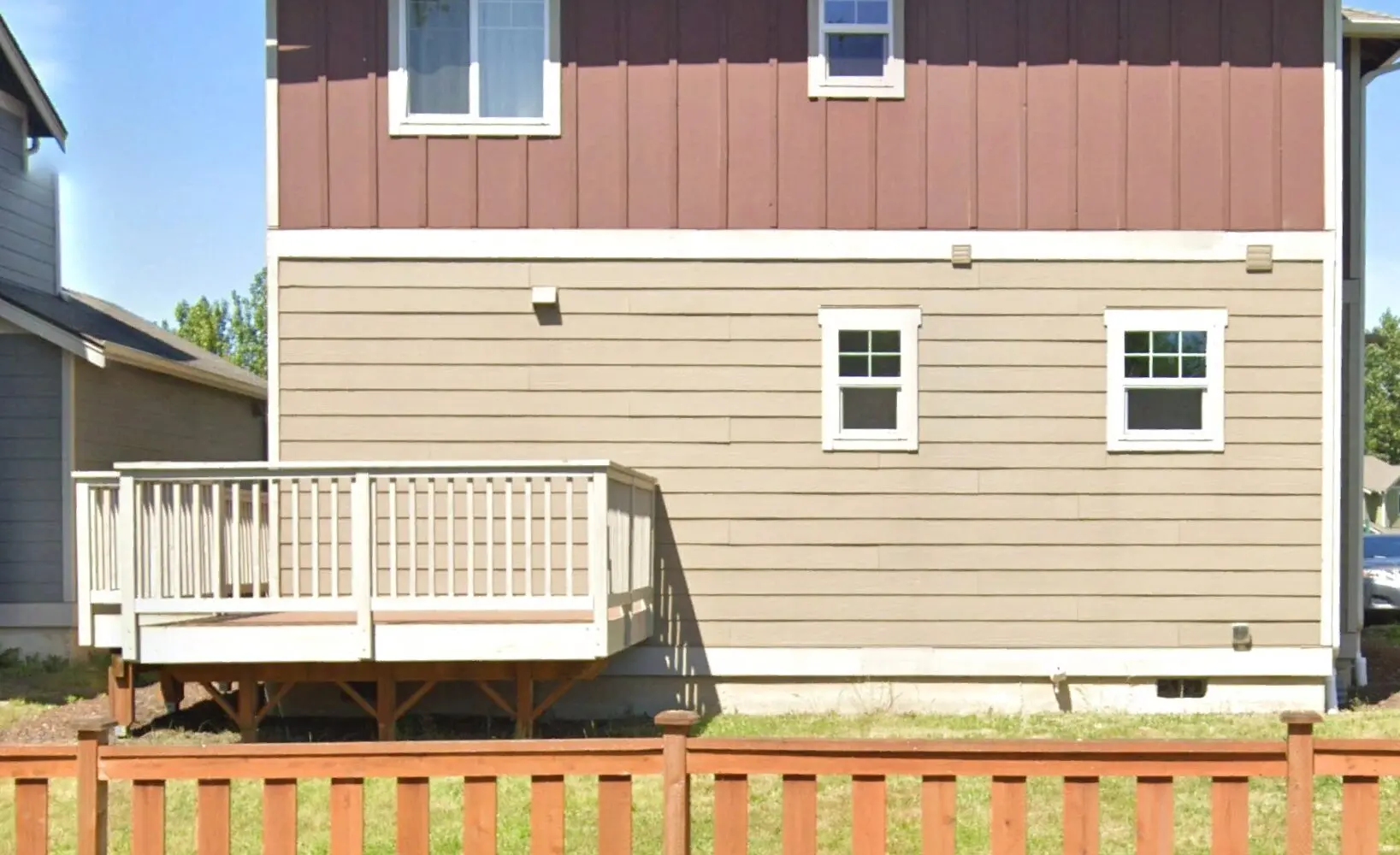
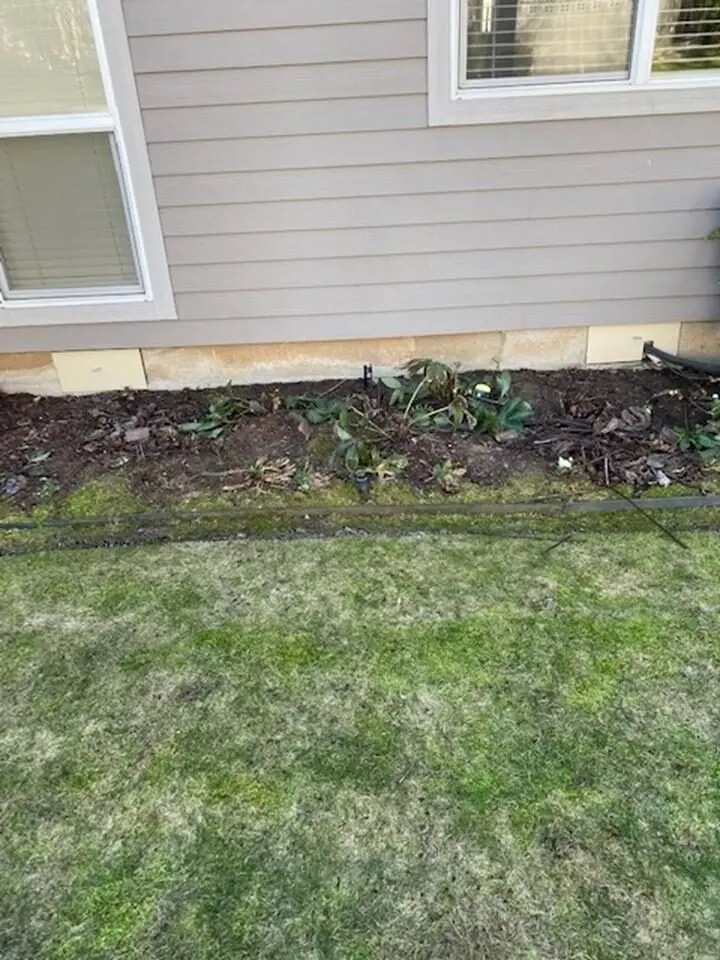
Moisture in crawl spaces typically comes from a combination of external and internal factors. Rainwater seepage, poor drainage, and exposed soil can all contribute to rising humidity levels. Traditional foundation vents were originally designed to allow airflow, but in many cases, they actually let in humid outside air, worsening the issue.
When warm, moist air enters through open vents and meets cooler surfaces, condensation forms. Over time, this creates an environment where mold thrives. This is why many homeowners are rethinking the role of ventilation and turning to solutions like crawl space vent covers to better control moisture.
Signs of Mold and Excess Humidity
Recognizing crawl space humidity problems early can prevent costly repairs. Some common signs include:
- Musty odors inside the home
- Warped or sagging floors
- Visible mold growth on wood or insulation
- Increased allergy or respiratory symptoms
- Condensation on pipes or surfaces
Even if mold is not immediately visible, persistent humidity can still damage materials and create unhealthy conditions.
Why Traditional Ventilation Can Make Things Worse
Many homeowners assume that increasing airflow will dry out a crawl space. However, in humid climates, this approach often backfires. Open vents allow outside moisture to enter continuously, making it difficult to maintain a stable environment.
Instead of improving conditions, traditional ventilation can lead to ongoing moisture buildup. This is why modern solutions focus on limiting outside air intrusion rather than encouraging it.
Effective Solutions for Crawl Space Moisture
From mold warning signs to effective fixes, discover how to tackle crawl space humidity problems using insulation, moisture barriers, and reliable vent covers.
Addressing crawl space humidity problems requires a combination of strategies that work together to control moisture at its source.
- Seal Off Outside Air
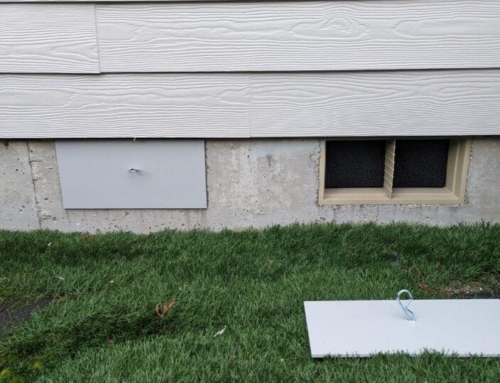
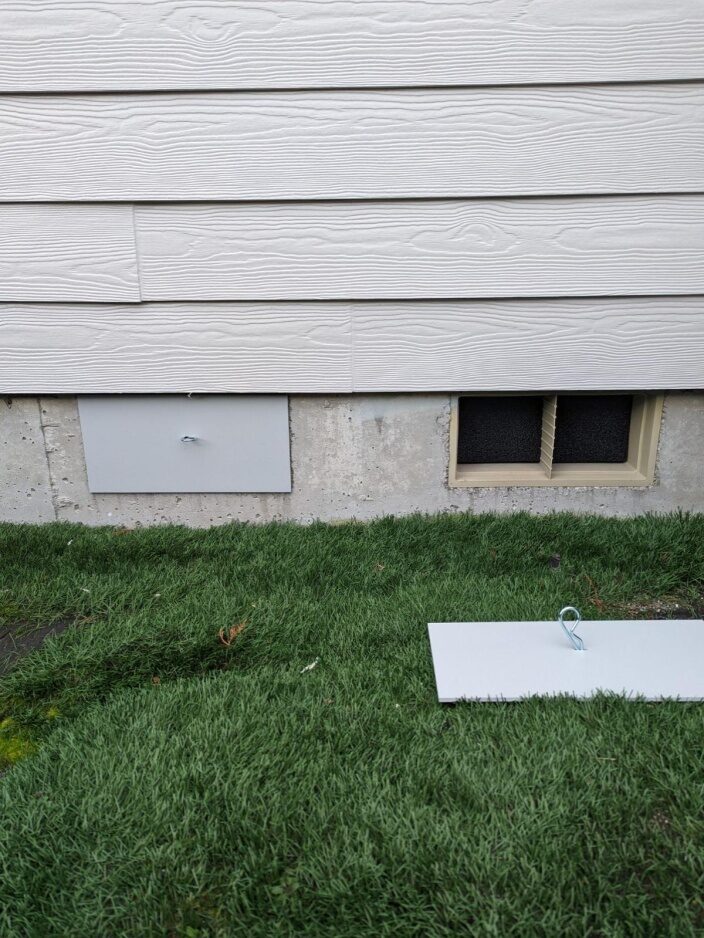
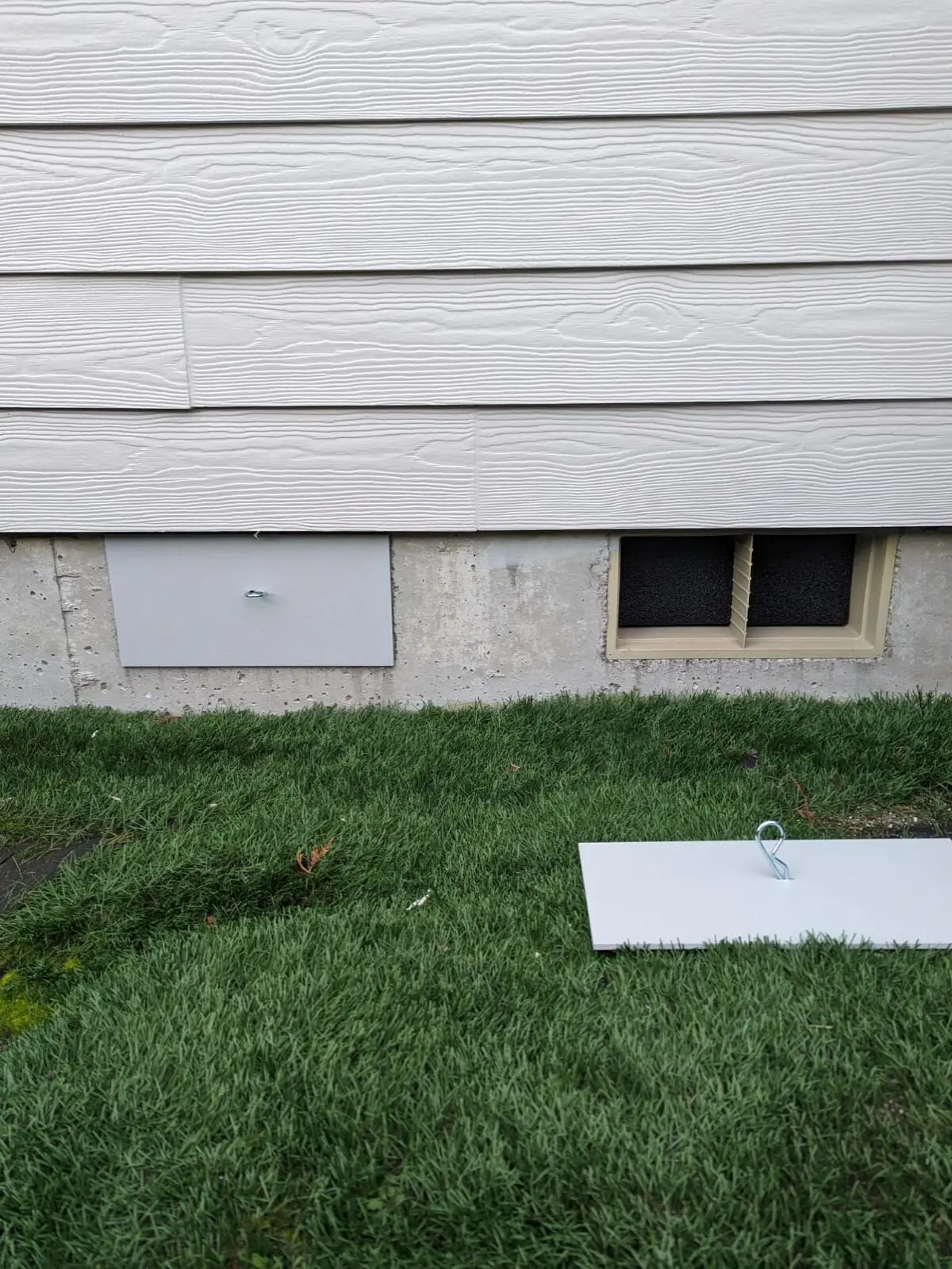
Installing outside vent covers is one of the most effective ways to stop humid air from entering your crawl space. By blocking external airflow, you can create a more controlled environment beneath your home. - Add a Moisture Barrier
A vapor barrier placed over exposed soil helps prevent ground moisture from rising into the crawl space. This step is essential for long-term humidity control. - Improve Insulation
Replacing outdated insulation with modern materials can help regulate temperature and reduce condensation. Proper insulation works alongside sealed vents to maintain consistent conditions. - Upgrade Vent Protection
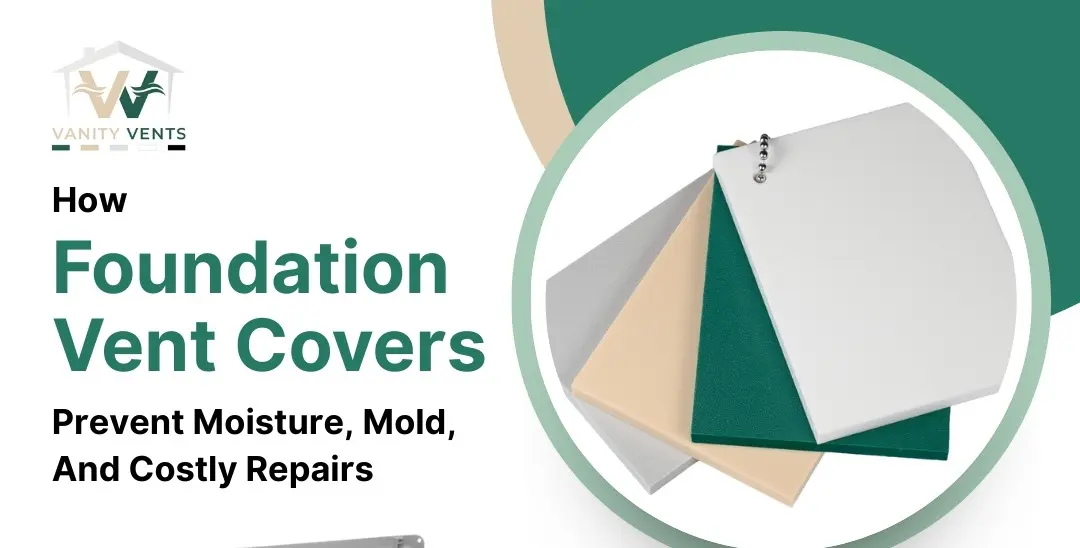
High-quality crawl space vent covers made from durable materials can provide long-lasting protection. Unlike metal options, which may corrode over time, modern alternatives made from recyclable HDPE offer durability and resistance to the elements.
A Smarter Approach to Crawl Space Health
Instead of relying on airflow, the goal is to minimize moisture intrusion and stabilize the environment. By sealing foundation vents and combining that with insulation and moisture control measures, homeowners can significantly reduce the risk of mold and structural damage.
If you’re experiencing crawl space humidity problems, addressing them early can help reduce the risk of long-term structural issues and support a healthier home environment. Vanity Vents provides durable, exterior vent covers built for long-lasting performance, giving homeowners in Bend a dependable, non-metal option made from recyclable HDPE to help safeguard their crawl spaces.