
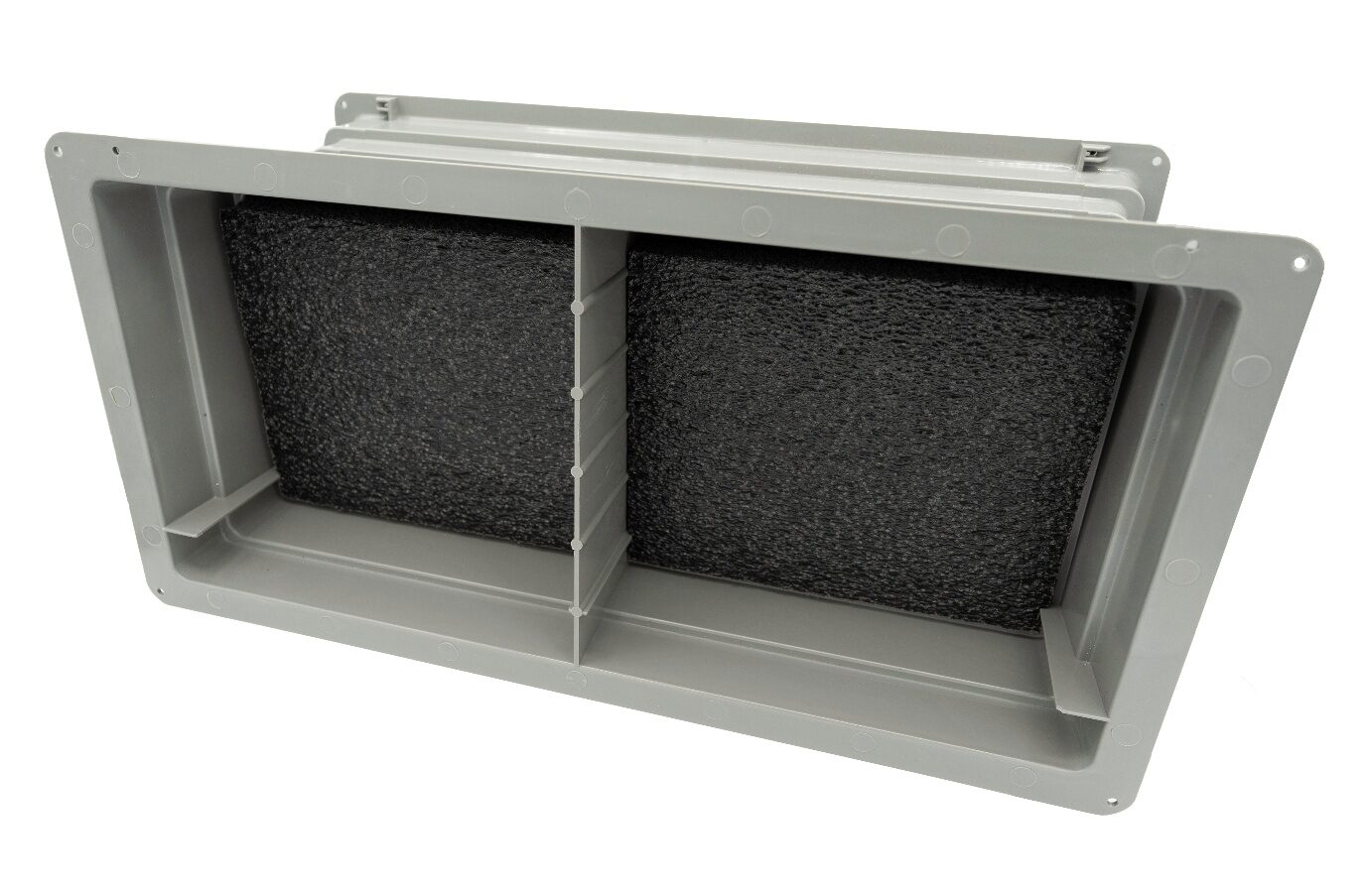
Foundation and crawl space vents are often overlooked when homeowners think about energy efficiency. Yet these openings can significantly affect indoor comfort and heating and cooling costs if they are not properly sealed. Insulation blocks for foundation vents are designed to address this issue by reducing heat transfer, limiting drafts, and supporting better insulation.
This practical buyer’s guide explains how insulation block materials, sizing, R-values, and installation methods influence performance, helping homeowners make an informed choice.
Comparing Common Insulation Block Materials
Material selection plays a major role in how insulation blocks perform over time. Foam-based insulation blocks are among the most common because they offer strong thermal resistance while remaining lightweight and easy to handle. Dense foam options are particularly effective at sealing gaps and maintaining consistent insulation values.
Some homeowners encounter basic styrofoam inserts, but not all foam materials work well. Higher-quality insulation blocks are designed to resist moisture absorption and deterioration, making them suitable for long-term use in crawl spaces.
Understanding Fit and Sizing Options
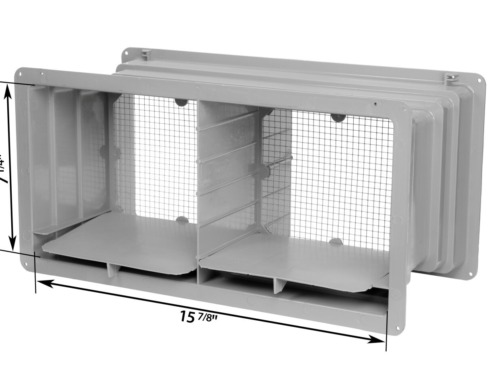
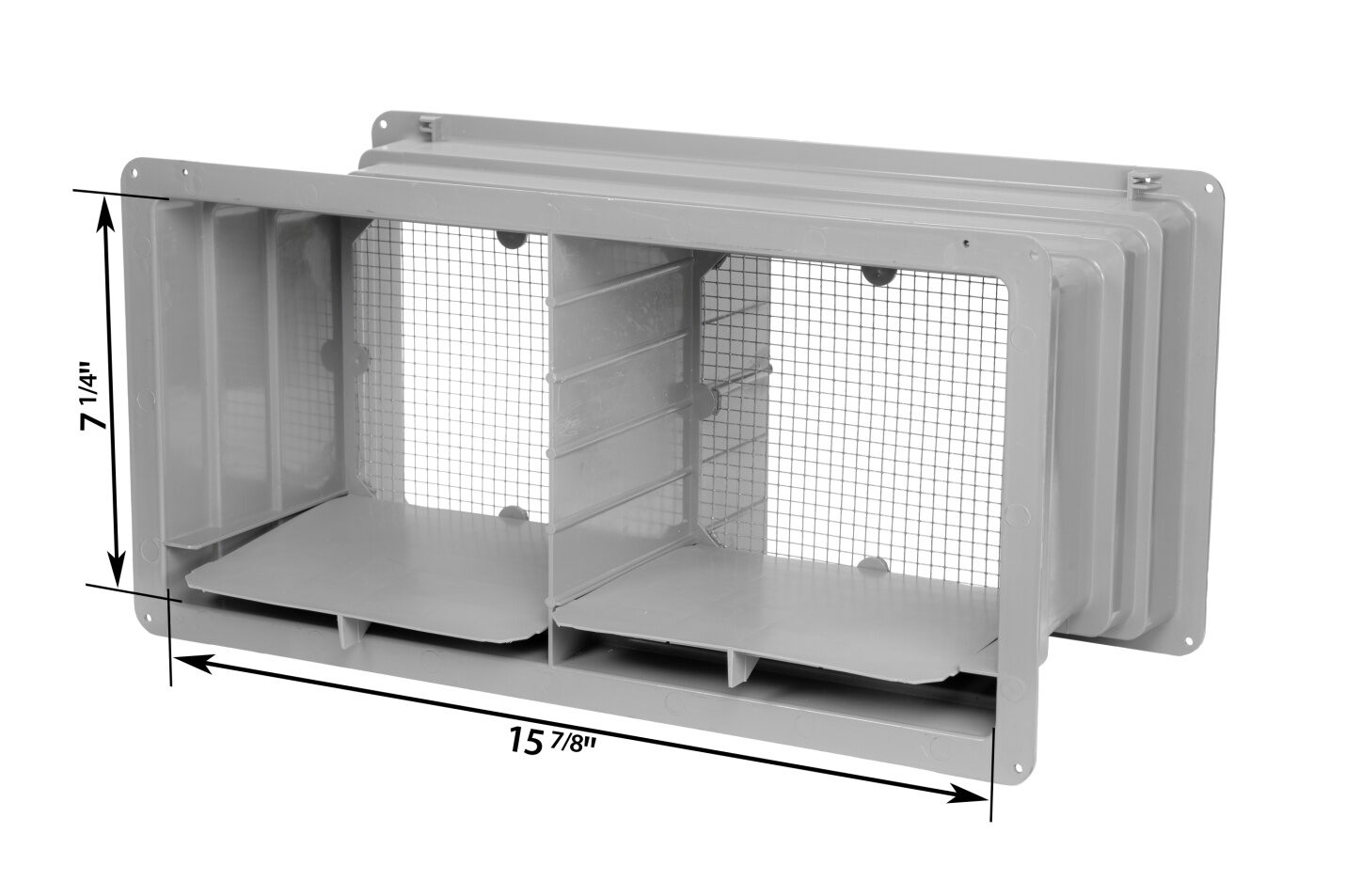
Proper fit is essential for insulation blocks to perform effectively. Gaps around the edges of a vent opening allow air to bypass the insulation, reducing its overall benefit. Measuring vent dimensions accurately is the first step toward achieving a secure fit.
Custom-sized insulation blocks like those from Vanity Vents are often more effective than generic options because they match the exact opening of the vent. When insulation blocks fit tightly within the frame, they reduce drafts and support consistent indoor temperatures. This is especially important when using solutions designed for crawl space covers for winter, where heat retention is a priority.
Evaluating R-Values and Thermal Performance
R-value measures an insulation material’s resistance to heat flow. Higher R-values generally indicate better insulating performance. For foundation vents, insulation blocks with adequate R-values help reduce heat loss during cold months and limit heat gain during warmer seasons.
Homeowners should look for insulation blocks that balance strong thermal performance with durability. An insulation block that compresses or degrades over time may lose its effectiveness, even if it initially offers a high R-value. Consistent performance is key to achieving long-term energy savings.
Installation Methods and Ease of Use
Installation is another important factor when choosing insulation blocks. Many modern solutions are designed for simple installation without specialized tools. Blocks that slide or press into place securely reduce the risk of shifting or air leakage.
Ease of installation also makes seasonal adjustments more manageable. Homeowners who prefer to remove or adjust insulation blocks during warmer months benefit from systems that are straightforward to handle. When insulation blocks are paired with vent covers for crawl space applications, installation is often faster and more secure.
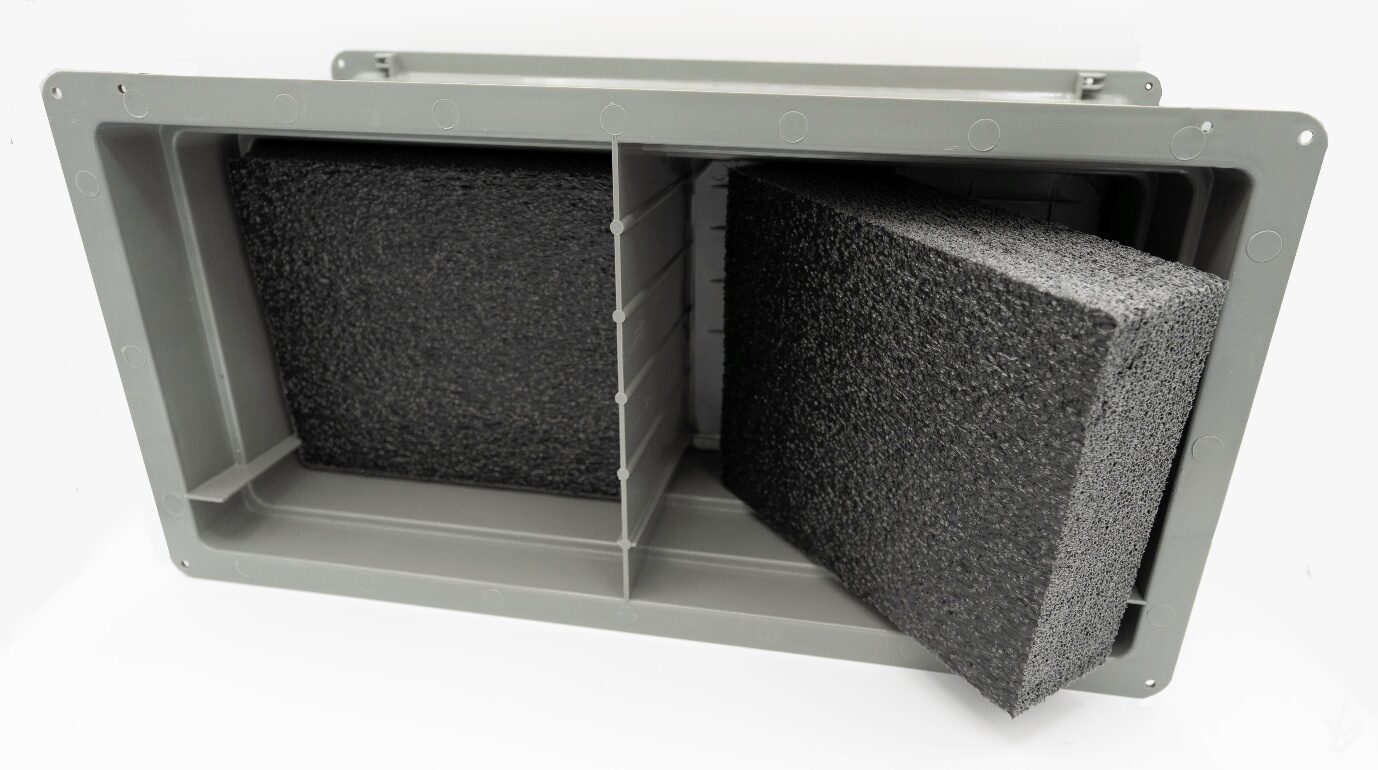
Improve energy efficiency with patented insulation blocks designed for foundation vents.
Upgrade Crawl Space Comfort Using Custom-Fit Insulation from Vanity Vents
At Vanity Vents, we believe homeowners deserve solutions that deliver real performance without unnecessary complexity. Our insulation blocks for foundation vents are designed to work seamlessly with our patented vent covers, helping reduce energy loss and improve indoor comfort.
We focus on easy installation, durable materials, and consistent thermal performance that supports crawl space covers for winter and custom foundation vents. Our solutions serve homeowners across Bend, Kent, Eugene, Springfield, Portland, and beyond.
Shop now or contact us to learn more.