
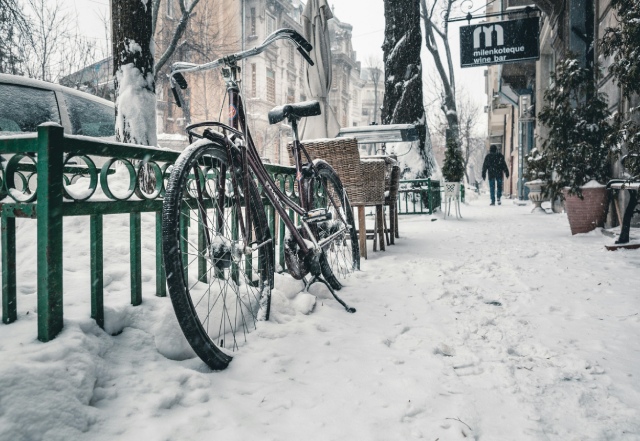
As the cold air of winter approaches, it is time to prepare your crawl space home for the chill that lies ahead. In many cases, many overlook their crawl space. An unsealed or poorly insulated crawl space can lead to a myriad of problems from higher energy bills to uncomfortable, chilly living conditions. This article will take you through five essential tips to winterize your crawl space, ensuring your home remains warm, safe and energy-efficient throughout the cold months of winter.
1. Brace Yourself for La Niña Impacts
Looking ahead towards the winter of 2025-2026 brings concerns from weather newscasters about weather patterns influenced by phenomena like La Niña, especially in regions like the Pacific Northwest known for its wet winters and potential snowstorms. Should predictions hold true this year, brace yourself for harsher-than-normal conditions which may include heavier snowfall and prolonged frigid spells affecting everything from transportation to power supplies—and yes—even your crawl space! Being proactive by implementing home winterization strategies means you’ll face whatever Mother Nature throws at you and enjoy a warm winter inside your home.
Meteorologists attribute these harsh conditions to a combination of factors including La Nina patterns and shifting jet streams. Warmer ocean temperatures influence storm paths that bring intense rain or snow across the region, while cold Arctic air masses threaten to sweep down southward more frequently than previous years. The result? A turbulent mix of frigid temperatures and excessive precipitation that demands our attention this winter.
2. When to Close Your Crawl Space Vents
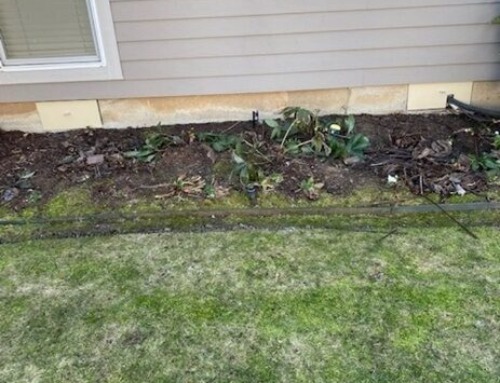
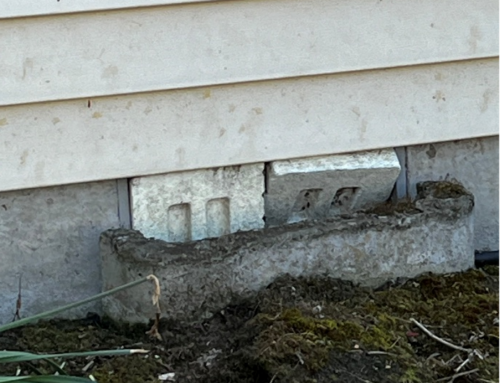
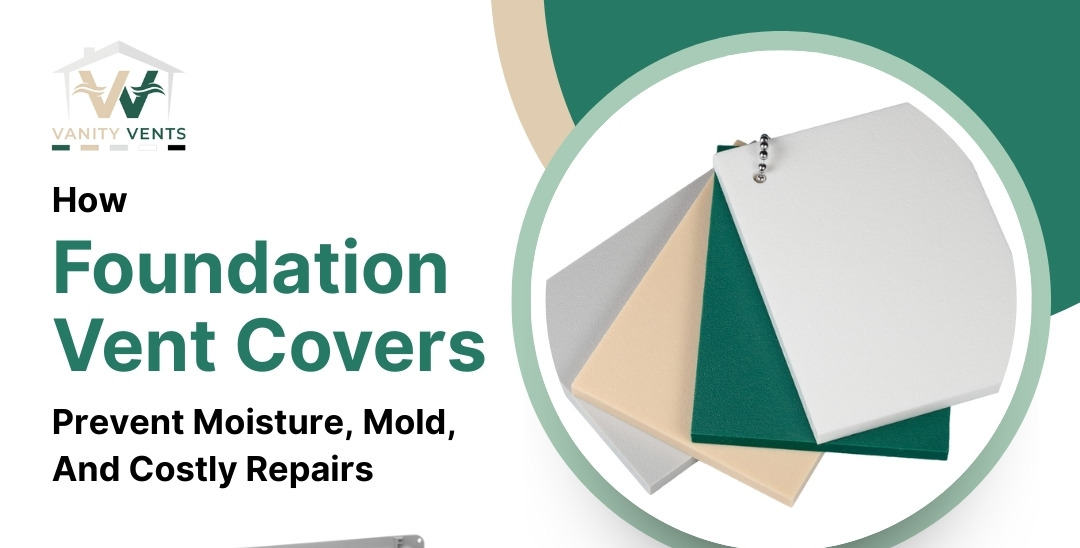
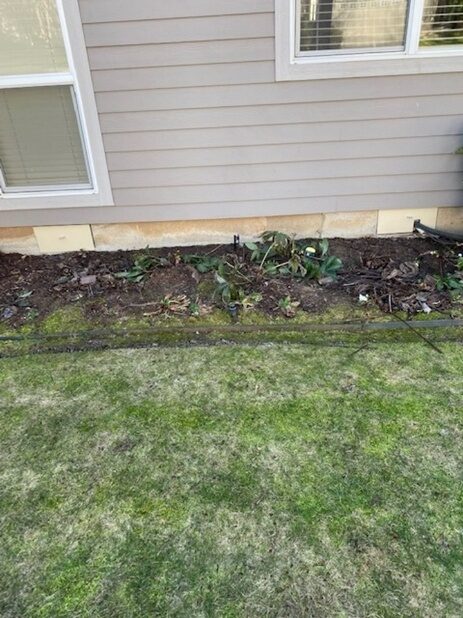
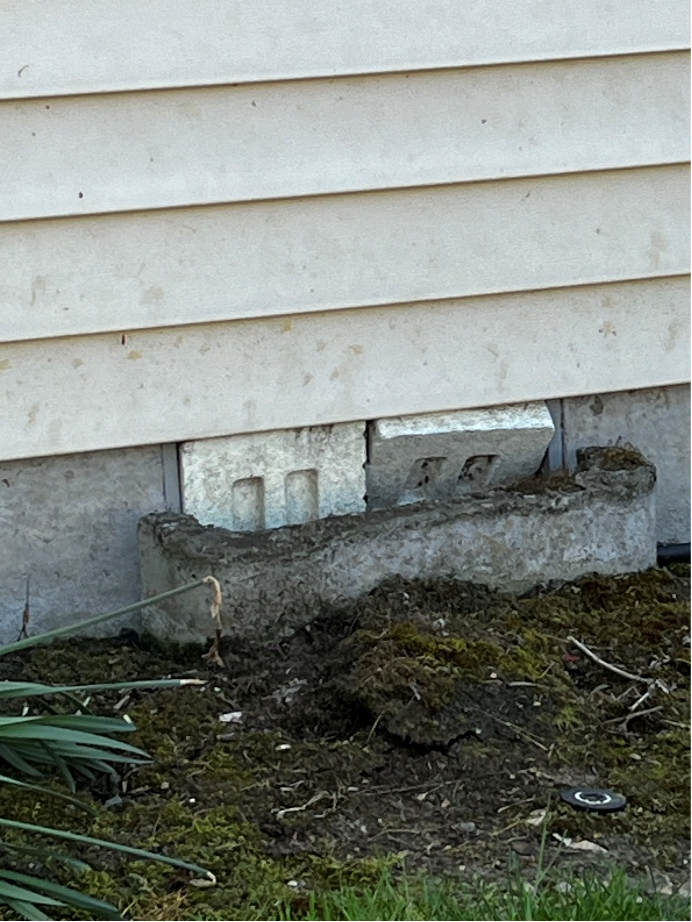
A question homeowner often ask – should I close my crawl space vents during the winter? The answer is absolutely yes! While some maintain that keeping foundation vents open allows for airflow and moisture control, closing them in colder months helps prevent frigid air from seeping into your home. By sealing these exterior foundation vents, you’re reducing heat loss and minimizing drafts that can make living spaces feel colder than they need to be. There is one way to be sure that your foundation vent openings are properly sealed by using Vanity Vents – specialized long lasting vent covers and insulation blocks designed to keep the winter out of your crawl space. Visit vanityvents.com to protect your crawl space against both cold air and unwanted critters looking for shelter.
As winter comes near, it is more important than ever to prepare your crawl space home for what experts predict will be an extraordinary harsh winter season, especially in the Pacific Northwest. With temperatures plunging and precipitation levels soaring, homeowners will need to take proactive steps to safeguard their properties. Weatherproofing your crawl space and taking steps to manage your foundation vents demands your attention – particularly in the winter of 2025-2026.
Timing is everything when it comes to closing those vents! Ideally, you should aim to do this before frigid temperatures set in—typically around late November or early December depending on local climate variations. Closely monitoring your local weather forecasts as winter approaches will be of great help to you. This strategic timing not only protects against chilling winds but also safeguards water pipes from freezing damage.
3. Insulate Your Pipes
Insulating your water pipes is another step to take in protecting your crawl space. Unprotected plumbing can freeze when temperatures drop, causing expensive repairs when your pipes freeze and burst. Just closing your vent openings helps a great deal but you can also take the added measure of wrapping your exposed pipes in foam insulation sleeves or heat tape for extra protection. Vanity Vents vent covers / insulation blocks provide an approximate 20+ degree temperature difference between the outside cold air and the air in your crawl space.
So, if it is 30 degrees outside and you use Vanity Vents products to seal your crawl space vents then it is about 50 degrees in your crawl space. As that 50 degree air seeps into your home interior from your crawl space, your furnace has to work much less to warm it then if it were 30 degree air seeping into your home interior.
Protecting your plumbing system not only helps to maintain a comfortable home interior but it creates a barrier against extreme cold and helps maintain optimal water temperature. Every little bit of protection helps when the weather turns bad.
4. Improve Interior Comfort with Humidity Control
A warm home isn’t just about heat; humidity plays a crucial role too. In winter, indoor air can become excessively dry, leading to personal discomfort such as dry skin or respiratory issues. You may want to invest in a humidifier to help control a comfortable balance of moisture levels within your home’s interior, making it feel warmer without having to turn up your thermostat too high. Installing a vapor barrier (if you have damp soil in your crawl space) or a dehumidifier if needed in your crawl space can also help to reduce sources of humidity which adversely affect your interior home comfort. Remember that about 60% of the air in your home interior comes from your crawl space.
5. Smart Upgrades for Utility Savings
As temperatures plunge, if you do not take actionable steps then your utility bills will rise significantly if you’re not careful. To save money during winter months, consider upgrading insulation in both the crawl space and other areas of your home like attics or walls where heat might escape unnoticed. Adding blown-in cellulose insulation can effectively block drafts while also being eco-friendly! Furthermore, replacing old windows with energy-efficient new windows will not only enhance comfort but also reduce dependence on heating systems… keeping your utility bills manageable!
Ensure that any cracks or openings in the foundation walls are sealed properly. Use high-quality caulk or foam insulation to eliminate drafts that could chill your home from below. And don’t forget about installing a vapor barrier (as mentioned above) over the ground of your crawl space; this helps prevent moisture buildup that can lead to mold and mildew – both detrimental to interior home air quality and the structural integrity of your home.
To recap, winterizing your crawl space doesn’t have to be daunting. Being prepared is key as we face an unpredictable winter ahead in 2025 – 2026. By taking steps like sealing cracks, insulating pipes, and wisely managing crawl space vents based on temperature changes, you’ll greatly enhance your home’s resilience against whatever Mother Nature brings our way this winter. Embrace these protective measures now so you can enjoy a warm and cozy winter without worry!
Vanity Vents (vanityvents.com)
November 2025